


Source: Business Insider
• US carriers T-Mobile and Sprint are considering possible concessions, specifically the separation and potential sale of their prepaid businesses, in order to get their proposed $26.5 billion
• Critics have argued that consolidation would result in less competition, negatively impacting end consumers who would end up with fewer choices and, as a result, more expensive services.
• And while the two companies dispute this, arguing that their new company would actually bring stronger competition to powerhouses
Verizon and AT&T, this doesn’t appear to stand up when it comes to the prepaid industry.
• A merger between T-Mobile and Sprint would end up with the new company owning a significant portion of the US prepaid market: T-Mobile’s Metro brand along with Sprint’s Boost and Virgin Mobile brands account for about 42% of the market.
• It’s important to note that while these concessions may not be enough on their own to get the merger approved, they may alleviate enough concerns to keep the conversation going and the deal alive.

Related Articles
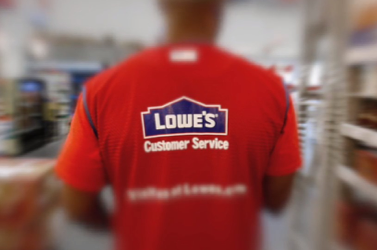
Lowe’s Making Changes in 2019
Lowe’s refused to specify how many thousand employees lost their jobs this time or which stores will be affected by these job losses. It currently has 1,725 stores throughout the United States. Lowe’s employs 190,000 full-time employees and another 110,000 part-time workers at these stores.

The Impact of Tariffs on Major Appliances in the US
Nathan Bomey and Paul Davidson, USA TODAY
Published 12:03 p.m. ET Aug. 2, 2019 | Updated 1:27 p.m. ET Aug. 2, 2019
President Donald Trump signaled that he would hike tariffs on Chinese imports next month after recent talks failed to deliver a trade deal, escalating his trade war with Beijing and taking more direct aim at consumer products.

5G Launch and Impact
Competition is intensifying among manufacturers of mobile infrastructure equipment. Leaders of the 3G and 4G networks face considerable disruption. New companies will join the race, the trend opens the door for existing players to catch up or overtake the leaders.